

-
- show all
-
Trending Now
- Amino acids Amino acids
-
- show all
-
Trending Now
- Nootropics Nootropics
-
- show all
-
Trending Now
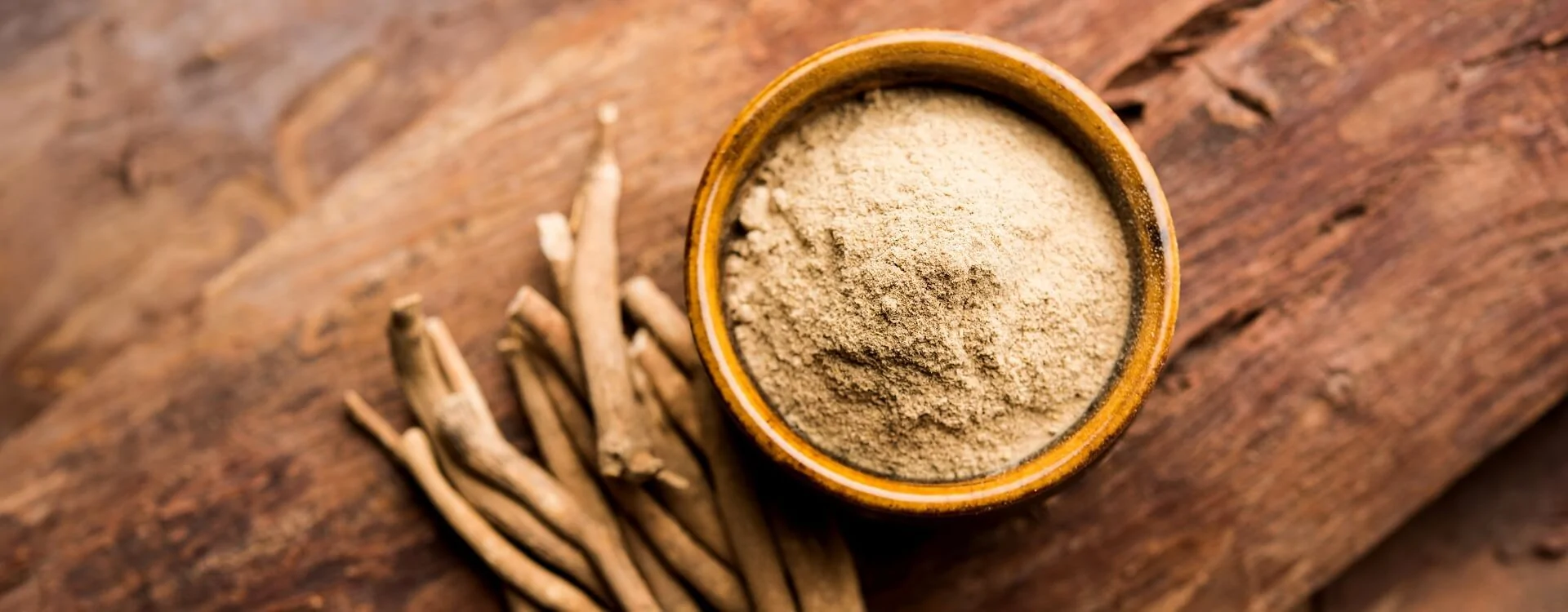
What does ashwagandha help with and how does it work?
Posted on: 08/25/2023Withania somnifera or Indian ginseng is a medicinal plant from regions of the Indian subcontinent. It is more commonly known as ashwagandha. The action of the plant makes it one of the most popular ones used in Ayurveda, both alone and in combination with others. Ashwagandha contains a very large amount of phytochemicals with a broad spectrum of biological effects. It is worth mentioning the anti-cancer, anti-inflammatory, anti-diabetic, anti-microbial, anti-stress and adaptogenic properties. One of the phytonutrients is Withaferin-A, which belongs to the category of withanolides, which are used in traditional medicine to treat various diseases. What does ashwagandha do and how can it affect our health?
Ashwagandha - what is it and how does it work?
Withania somnifera has a very good reputation in Ayurvedic medicine. It is used as a Rasayana herb, which is one that can rejuvenate the body and promote the health of all tissues. In addition, it is classified as an adaptogen. What does it mean? Ashwagandha affects the homeostasis of the entire body and has a broad spectrum of action, including improving concentration, memory and mood, as well as increasing resistance to pathogens and diseases. Withania somnifera is also one of the most frequently researched medicinal herbs. So far, about 140 specialized compounds contained in the plant have been described. The properties of ashwagandha make it clinically used in the treatment of general weakness, nervous exhaustion, insomnia and memory loss. In addition, it may be useful in the treatment of neurodegenerative diseases.
Ashwagandha - how does it work on stress?
Today, one of the most common uses of the plant is to relieve stress. It is assumed that stress can cause functional and structural changes in the brain. Therefore, it is involved in the development of most neuropsychiatric disorders, including anxiety, depression and insomnia. What does ashwagandha provide in this context? Its anti-stress effects are attributed to several mechanisms, including glucocorticoid reduction and immune modulation. This means that the plant affects stress hormones, lowering their levels. The anti-stress effect is also possible through modulation of the immune system. Ashwagandha root has potential to stimulate the immune system and have anti-inflammatory effects. Taking it regularly can help reduce symptoms of stress such as fatigue, muscle tension, sleep disturbances, low moods and digestive problems.
Does ashwagandha work on neurodegenerative diseases?
Neurodegenerative diseases, which include, among others: Alzheimer's and Parkinson's diseases usually cause irreversible destruction of neuronal networks of the central nervous system (CNS) and therefore permanent functional impairment. Studies conducted so far have shown that the plant's components have various activities against models of Alzheimer's disease and spinal cord injuries. Additionally, ashwagandha has been shown to have a soothing effect on other neurodegenerative diseases such as Parkinson's disease and Huntington's disease. People who want to act preventively and reduce the risk of neurodegenerative diseases can also use preparations for brain function. It is also worth mentioning that the plant largely improves concentration and affects the speed of information processing, so it is worth considering supplementation during periods of increased mental effort.
Not sure where to start? Discover our supplement categories according to your specific needs and make the right choice for your body and your goals:
Ashwagandha - medicinal properties in relation to anxiety disorders and depression
Ashwagandha is also used as a supplement to the treatment of anxiety disorders and depression. The anti-anxiety effect is related to the GABA receptor system and the antioxidant and anti-inflammatory properties of the plant. GABA is the most important inhibitory neurotransmitter in the central nervous system, and this neurotransmission is thought to play a key role in the regulation of anxiety. It is assumed that the compounds contained in the plant interact with GABA receptors, modulating them. For this reason, ashwagandha has good effects in the treatment of anxiety disorders. It is also worth mentioning the plant's antioxidant properties, which means greater resistance to oxidative stress. Research suggests that anxiety disorders are characterized by reduced antioxidant defense and greater oxidative damage.
How does ashwagandha work in the context of depression? Human studies have shown that ashwagandha supplementation may be beneficial for people suffering from depressive symptoms. This is attributed to its antioxidant and serotonergic activity. Oxidative stress is associated with many mental disorders, including depression. When it comes to serotonergic activity, supplementation may protect against the decline in serotonin that occurs under stress.
What else does ashwagandha help with?
Living in constant stress, constant rushing and too many responsibilities mean that more and more people struggle with insomnia and other related problems. Although it has not been currently confirmed whether the plant can be treated as an alternative to sleeping pills, it is assumed that it may have a positive impact on this sphere of life. Ashwagandha before bed is a good solution for both people who have trouble falling asleep or waking up at night. One possible mechanism by which the plant may have a positive effect on sleep is the activation of GABAergic neurotransmission.
It is also worth mentioning the adaptogenic effect of ashwagandha. The side effects of stress affect the entire body. For this reason, it is worth using adaptogens, which are used to increase resistance to potentially toxic stressors. Thanks to this, we do not feel them so strongly, and we are more resistant to their negative impact. Calming preparations that help in periods of severe tension may also be a good solution.
Ashwagandha - dosage and additional information
The plant is widely used as a dietary supplement and in Ayurvedic medicine, therefore it is considered a safe product. As for contraindications, ashwagandha should not be taken by people who use sleeping pills, antiepileptic drugs or sedatives. It is not recommended for pregnant and breastfeeding women due to the lack of information on the potential effect on the fetus. Moreover, it should not be given to children and people with hyperthyroidism because it increases the level of thyroxine. Side effects of ashwagandha usually include nausea, vomiting and gastrointestinal disorders. There is also a risk of interactions with drugs that affect the central nervous system. How long should you take ashwagandha? The effects usually appear after 4 weeks and become stronger after about 8 weeks. It is assumed that supplementation should last up to 3 months.
Posted in: TipsFrom the very beginning of her cooperation with Biolabshop, Aleksandra Duba has combined professionalism with deep scientific commitment. In the past, she was a physique sports competitor, and her achievements include, among others, an Overall victory at the Olympia Amateur in Italy, which opened her way to the IFBB PRO professional league, as well as a 2nd place at the Arnold Sports Festival in Great Britain and the Polish Championship in 2022.
Her passion for sport and a healthy lifestyle has lasted over ten years. During this time, she systematically and consistently expanded her competencies in the field of dietetics, training, biohacking, and functional medicine, focusing on the practical application of scientific discoveries. Her core interests include the prevention of metabolic and hormonal diseases, anti-aging, and healthspan—the pursuit of maintaining a high quality of life and vitality in the long run.
[readmore]
What does Aleksandra do?
As part of the cooperation, she co-creates the brand's offer and systematically develops scientific competencies, sharing knowledge on her social media profile. She publishes content showing a unique approach to biological issues and materials tailored to audiences with diverse levels of expertise. She also considers the latest scientific reports on products currently in laboratory research phases, including peptides. She encourages the exploration of both basic and advanced aspects of supplementation.
Why is it worth following her progress?
From the perspective of her commitment to a personalized approach, she strives to maximize effects, placing particular emphasis on the holistic nature of well-being. The physical and mental spheres interact in synergy, which opens up infinite possibilities for development and self-improvement.
Choose proven solutions:
Related posts
-
 Which supplements for weight loss - what's the best choice?
Posted in: Tips07/12/2023Weight loss is a process whose effectiveness depends on the calorie deficit developed. The most important issue is...Read more
Which supplements for weight loss - what's the best choice?
Posted in: Tips07/12/2023Weight loss is a process whose effectiveness depends on the calorie deficit developed. The most important issue is...Read more -
 Which gym supplements to choose? - beginners guide
Posted in: Tips07/12/2023First visits to the gym are a time when our motivation is at a really high level. The vision of a sculpted physique...Read more
Which gym supplements to choose? - beginners guide
Posted in: Tips07/12/2023First visits to the gym are a time when our motivation is at a really high level. The vision of a sculpted physique...Read more -
 How do joint supplements work and when should you take them?
Posted in: Tips08/25/2023Joint pain is a common problem that affects many people, regardless of age. In many cases, it is caused by overload...Read more
How do joint supplements work and when should you take them?
Posted in: Tips08/25/2023Joint pain is a common problem that affects many people, regardless of age. In many cases, it is caused by overload...Read more -
 What are fat burners and how do they work?
Posted in: Tips08/25/2023People who want to reduce quickly are looking for various ways to speed up the entire process. One of them are fat...Read more
What are fat burners and how do they work?
Posted in: Tips08/25/2023People who want to reduce quickly are looking for various ways to speed up the entire process. One of them are fat...Read more -
 Why and when is it worth using supplements and nutrients?
Posted in: Tips08/25/2023Supplements, according to their classification, supplement the diet in case of deficiencies of specific ingredients...Read more
Why and when is it worth using supplements and nutrients?
Posted in: Tips08/25/2023Supplements, according to their classification, supplement the diet in case of deficiencies of specific ingredients...Read more -
 Are fat burners safe?
Posted in: Tips08/25/2023Fat burners are supplements that work by accelerating the reduction of fat tissue accumulated in the body. Such...Read more
Are fat burners safe?
Posted in: Tips08/25/2023Fat burners are supplements that work by accelerating the reduction of fat tissue accumulated in the body. Such...Read more -
 AAKG – facts and myths
Posted in: Tips10/26/2023AAKG, or L-arginine alpha-ketoglutarate, is a dietary supplement that is popular among physically active people...Read more
AAKG – facts and myths
Posted in: Tips10/26/2023AAKG, or L-arginine alpha-ketoglutarate, is a dietary supplement that is popular among physically active people...Read more -
 Vitamin D deficiency - symptoms and effects
Posted in: Tips10/26/2023Vitamin D3, known as cholecalciferol, is one of the key ingredients for human health. Despite its importance for our...Read more
Vitamin D deficiency - symptoms and effects
Posted in: Tips10/26/2023Vitamin D3, known as cholecalciferol, is one of the key ingredients for human health. Despite its importance for our...Read more -
 Can supplements help with stress, nerves and panic attacks? How to get it under control?
Posted in: Tips07/30/2024In our everyday lives, we often encounter situations that spike our stress levels, causing nerves to fray and,...Read more
Can supplements help with stress, nerves and panic attacks? How to get it under control?
Posted in: Tips07/30/2024In our everyday lives, we often encounter situations that spike our stress levels, causing nerves to fray and,...Read more -
 What supplements will support your reduction? Healthy and controlled weight loss
Posted in: Tips07/26/2024Starting a weight loss journey might seem overwhelming due to the many options available. However, finding the right...Read more
What supplements will support your reduction? Healthy and controlled weight loss
Posted in: Tips07/26/2024Starting a weight loss journey might seem overwhelming due to the many options available. However, finding the right...Read more -
 Are you starting your adventure in the gym? These supplements should be familiar to you!
Posted in: Tips07/24/2024Beginning a gym routine is a great step towards a healthier lifestyle. Knowing the right supplements for gym...Read more
Are you starting your adventure in the gym? These supplements should be familiar to you!
Posted in: Tips07/24/2024Beginning a gym routine is a great step towards a healthier lifestyle. Knowing the right supplements for gym...Read more -
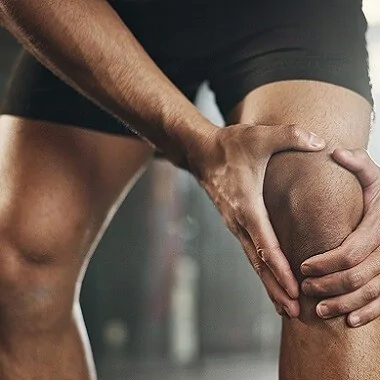 From pain relief to regeneration: The multi-faceted benefits of SARMs for joint health
Posted in: Tips09/10/2024Joint discomfort can impede our daily activities, making even simple tasks daunting. Thankfully, advancements in...Read more
From pain relief to regeneration: The multi-faceted benefits of SARMs for joint health
Posted in: Tips09/10/2024Joint discomfort can impede our daily activities, making even simple tasks daunting. Thankfully, advancements in...Read more
Blog navigationExplore topics
Newsletter
Get a discount on your first order
-

Expert in supplementation and innovative health, fitness, and beauty solutions.
Offer
Offer Our company
Our company Contact
E-mail address
info@biolabshop.eu
WhatsApp
+44 739 8562 456ⓒ 2026 Biolabshop. All rights reserved. - Nootropics Nootropics
- Amino acids Amino acids