

-
- show all
-
Trending Now
- Amino acids Amino acids
-
- show all
-
Trending Now
- Nootropics Nootropics
-
- show all
-
Trending Now

Essential vitamins for athletes: what your body really needs to perform
Posted on: 03/30/2026By j siniarskaHard training, strict meal plans, constant progress tracking… yet performance sometimes stalls. In many cases, the missing link is not more calories or harder sessions, but micronutrient balance. Intense exercise increases nutrient turnover, sweat loss, and metabolic demand. If intake does not match output, recovery slows and energy drops.
From the article, you will learn:
- which vitamins are most relevant for active individuals
- how micronutrients influence energy metabolism and muscle work
- why antioxidant balance matters in heavy training cycles
- how to recognise subtle signs of deficiency
- how to choose supplementation with a verified composition
Energy metabolism and the role of B vitamins
During exercise, carbohydrates, fats, and proteins must be converted into usable energy. This conversion depends heavily on B vitamins. They participate in enzymatic reactions responsible for ATP production, red blood cell formation, and nervous system regulation.
Low intake may lead to fatigue, reduced concentration, and slower regeneration. Physically active people often require more due to increased metabolic turnover. For example, vitamin B6 contributes to protein metabolism, which matters during muscle repair phases. Vitamin B12 supports oxygen transport by maintaining healthy red blood cells.
Athletes following plant-based diets should pay particular attention to B12 levels. In strength sports, adequate intake of the full B-complex supports stable energy release rather than rapid spikes and crashes. Stable metabolism equals predictable performance output.
Immune resilience and oxidative balance with vitamin C
Intensive training temporarily stresses the immune system. Frequent infections during heavy cycles are often linked to insufficient micronutrient intake. Vitamin C contributes to immune cell function and collagen formation, which influences tendon and ligament integrity.
It also acts as an antioxidant. Exercise increases free radical production; this is a normal adaptation signal, yet excessive oxidative stress may prolong recovery. Maintaining balanced intake helps regulate this process without blocking training adaptations.
Athletes exposed to cold environments or endurance workloads may experience higher turnover. Citrus fruits and peppers provide dietary sources, but supplementation offers controlled dosing when dietary intake fluctuates. Small daily amounts maintain steady plasma levels better than occasional high doses.
Bone strength and muscle function supported by vitamin D3
Indoor training, early morning sessions, and limited sun exposure reduce natural vitamin D synthesis. Vitamin D3 contributes to calcium regulation and muscle contraction efficiency.
Low status may manifest as muscle weakness, slower strength progression, or increased injury frequency. Power athletes and endurance competitors alike benefit from maintaining adequate levels, especially during the autumn and winter months in the UK.
Vitamin D receptors are present in muscle tissue. Their activation influences neuromuscular coordination. Strong bones, plus efficient contraction mechanics, reduce the risk of overload. Regular monitoring of serum levels helps adjust dosage individually instead of relying on guesswork.
Cell protection and recovery processes linked to vitamin E
Repeated high-intensity sessions increase lipid oxidation within cell membranes. Vitamin E protects these membranes from excessive oxidative damage.
This function is important in endurance disciplines, where oxygen consumption remains elevated for extended periods. It also contributes to immune defence and supports red blood cell stability. Nuts, seeds, and plant oils are primary sources, yet intake may drop during calorie-restricted phases.
Balanced antioxidant intake is essential. Excessive supplementation is unnecessary; moderate amounts aligned with dietary intake are sufficient. Athletes cutting body fat should pay closer attention since reduced fat intake may lower vitamin E consumption.
Why microelements matter as much as vitamins
Vitamins rarely act alone. Microelements such as iron, zinc, magnesium, and selenium interact with them in metabolic pathways.
Iron deficiency reduces oxygen transport capacity. Magnesium contributes to muscle relaxation and nerve transmission. Zinc influences hormone regulation and immune stability. Even marginal deficiencies may affect training quality before clinical symptoms appear.
Sweat loss increases mineral depletion, especially in endurance sports or high-temperature environments. Regular dietary assessment helps detect gaps early. Performance depends on the entire micronutrient network, not on a single compound.
Choosing quality supplementation with a verified composition
The supplement market is crowded, yet label claims do not always reflect actual concentration. Transparent information about ingredient content allows informed decisions.
BIOLAB is quality proven by research. The company publishes laboratory concentration analyses and provides direct access to results from professional protein and peptide analysis laboratories. This approach helps athletes verify what they consume and compare declared versus actual values.
When selecting products, consider:
- Clear dosage per serving
- Transparent laboratory verification
- Composition adjusted to training intensity
Proper micronutrient management does not replace training discipline or nutrition planning. It complements them. When vitamins and minerals are aligned with workload, the body responds more predictably to physical stress.
FAQ
Do athletes need more vitamins than inactive people?
In many cases, yes. Higher metabolic rate, sweat loss, and tissue repair increase micronutrient turnover. Requirements depend on training volume, diet quality, and sun exposure. An individual assessment provides more precise guidance than general assumptions.
Can I get enough vitamins from food alone?
A well-structured diet rich in vegetables, fruits, whole grains, quality proteins, nuts, and seeds covers most needs. Intense training phases, calorie restriction, or limited food variety may justify supplementation to fill measurable gaps.
Is daily supplementation always necessary?
Not always. Supplementation depends on dietary intake, blood parameters, and seasonal factors such as limited sunlight. Targeted use based on actual need is more rational than taking multiple products without evaluation.
Posted in: TipsRelated posts
-
 Which supplements for weight loss - what's the best choice?
Posted in: Tips07/12/2023Weight loss is a process whose effectiveness depends on the calorie deficit developed. The most important issue is...Read more
Which supplements for weight loss - what's the best choice?
Posted in: Tips07/12/2023Weight loss is a process whose effectiveness depends on the calorie deficit developed. The most important issue is...Read more -
 Which gym supplements to choose? - beginners guide
Posted in: Tips07/12/2023First visits to the gym are a time when our motivation is at a really high level. The vision of a sculpted physique...Read more
Which gym supplements to choose? - beginners guide
Posted in: Tips07/12/2023First visits to the gym are a time when our motivation is at a really high level. The vision of a sculpted physique...Read more -
 How do joint supplements work and when should you take them?
Posted in: Tips08/25/2023Joint pain is a common problem that affects many people, regardless of age. In many cases, it is caused by overload...Read more
How do joint supplements work and when should you take them?
Posted in: Tips08/25/2023Joint pain is a common problem that affects many people, regardless of age. In many cases, it is caused by overload...Read more -
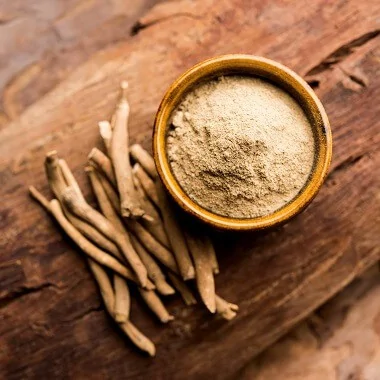 What does ashwagandha help with and how does it work?
Posted in: Tips08/25/2023Withania somnifera or Indian ginseng is a medicinal plant from regions of the Indian subcontinent. It is more...Read more
What does ashwagandha help with and how does it work?
Posted in: Tips08/25/2023Withania somnifera or Indian ginseng is a medicinal plant from regions of the Indian subcontinent. It is more...Read more -
 What are fat burners and how do they work?
Posted in: Tips08/25/2023People who want to reduce quickly are looking for various ways to speed up the entire process. One of them are fat...Read more
What are fat burners and how do they work?
Posted in: Tips08/25/2023People who want to reduce quickly are looking for various ways to speed up the entire process. One of them are fat...Read more -
 Why and when is it worth using supplements and nutrients?
Posted in: Tips08/25/2023Supplements, according to their classification, supplement the diet in case of deficiencies of specific ingredients...Read more
Why and when is it worth using supplements and nutrients?
Posted in: Tips08/25/2023Supplements, according to their classification, supplement the diet in case of deficiencies of specific ingredients...Read more -
 Are fat burners safe?
Posted in: Tips08/25/2023Fat burners are supplements that work by accelerating the reduction of fat tissue accumulated in the body. Such...Read more
Are fat burners safe?
Posted in: Tips08/25/2023Fat burners are supplements that work by accelerating the reduction of fat tissue accumulated in the body. Such...Read more -
 AAKG – facts and myths
Posted in: Tips10/26/2023AAKG, or L-arginine alpha-ketoglutarate, is a dietary supplement that is popular among physically active people...Read more
AAKG – facts and myths
Posted in: Tips10/26/2023AAKG, or L-arginine alpha-ketoglutarate, is a dietary supplement that is popular among physically active people...Read more -
 Vitamin D deficiency - symptoms and effects
Posted in: Tips10/26/2023Vitamin D3, known as cholecalciferol, is one of the key ingredients for human health. Despite its importance for our...Read more
Vitamin D deficiency - symptoms and effects
Posted in: Tips10/26/2023Vitamin D3, known as cholecalciferol, is one of the key ingredients for human health. Despite its importance for our...Read more -
 Can supplements help with stress, nerves and panic attacks? How to get it under control?
Posted in: Tips07/30/2024In our everyday lives, we often encounter situations that spike our stress levels, causing nerves to fray and,...Read more
Can supplements help with stress, nerves and panic attacks? How to get it under control?
Posted in: Tips07/30/2024In our everyday lives, we often encounter situations that spike our stress levels, causing nerves to fray and,...Read more -
 What supplements will support your reduction? Healthy and controlled weight loss
Posted in: Tips07/26/2024Starting a weight loss journey might seem overwhelming due to the many options available. However, finding the right...Read more
What supplements will support your reduction? Healthy and controlled weight loss
Posted in: Tips07/26/2024Starting a weight loss journey might seem overwhelming due to the many options available. However, finding the right...Read more -
 Are you starting your adventure in the gym? These supplements should be familiar to you!
Posted in: Tips07/24/2024Beginning a gym routine is a great step towards a healthier lifestyle. Knowing the right supplements for gym...Read more
Are you starting your adventure in the gym? These supplements should be familiar to you!
Posted in: Tips07/24/2024Beginning a gym routine is a great step towards a healthier lifestyle. Knowing the right supplements for gym...Read more
Blog navigationExplore topics
Newsletter
Get a discount on your first order

Expert in supplementation and innovative health, fitness, and beauty solutions.
Offer
Offer Our company
Our company Contact
E-mail address
info@biolabshop.eu
WhatsApp
+44 739 8562 456ⓒ 2026 Biolabshop. All rights reserved. - Nootropics Nootropics
- Amino acids Amino acids