

-
- show all
-
Trending Now
- Amino acids Amino acids
-
- show all
-
Trending Now
- Nootropics Nootropics
-
- show all
-
Trending Now
Protein powder
Total: 26 productsPrice: -
2.00 € - 30.00 €
Active filters
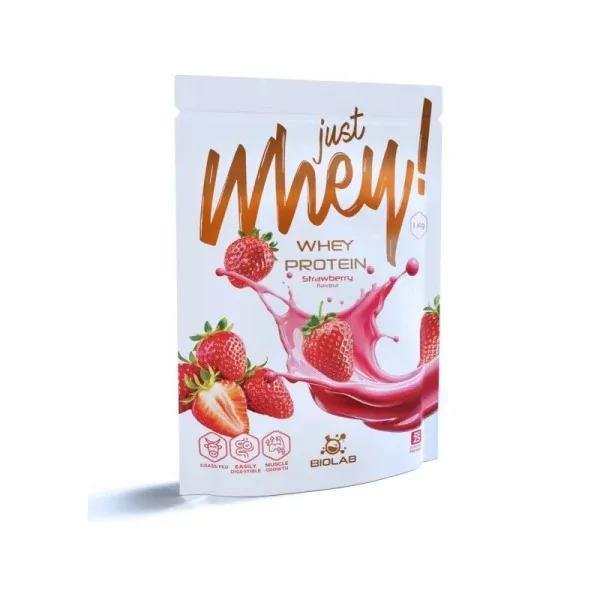
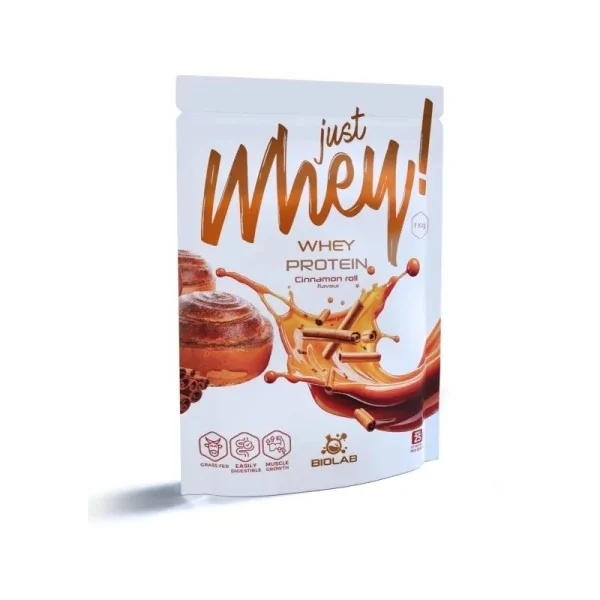
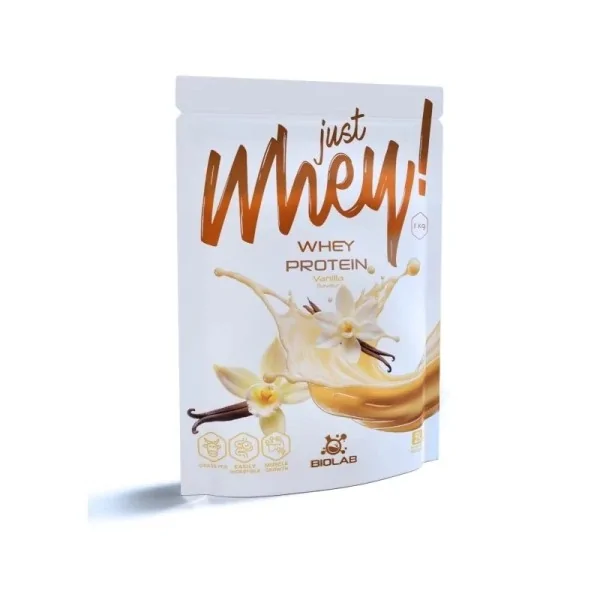
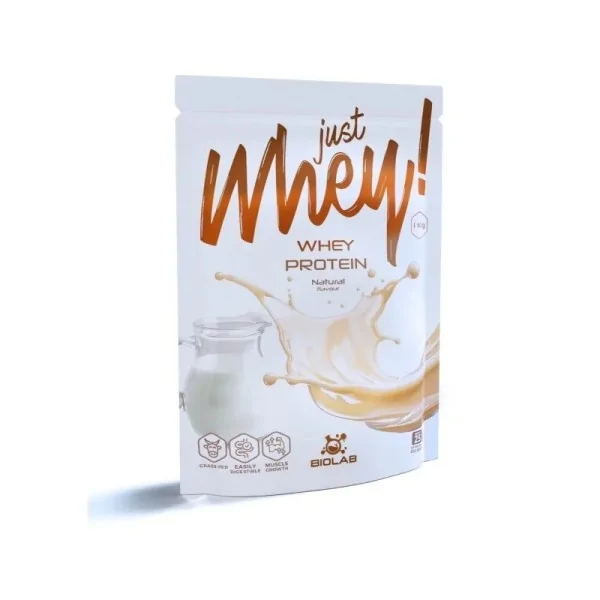
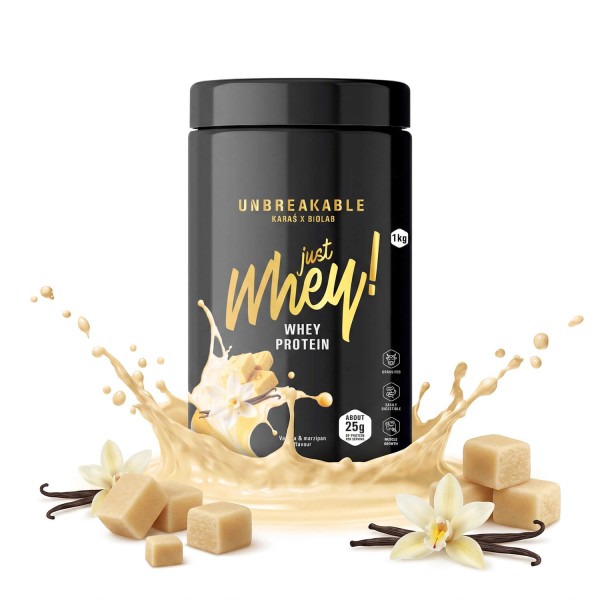
Protein powder is a convenient way to increase your daily protein intake with control and precision. It supports training routines, recovery phases, and structured nutrition plans for active individuals who value consistency and verified quality.
Long-Term Support for Active Lifestyles
Effective dietary planning requires careful consideration of supplement selection, especially when recovery and physical performance are at stake. Protein powder has become a component in modern nutrition strategies for athletes, gym users, and individuals looking to increase their daily protein intake. At Biolab, we offer a selection tailored for those who prioritise product clarity and verified formulation. Every blend is produced with transparency in mind, with ingredient concentrations clearly indicated. This gives users confidence in what they’re consuming, with no vague claims or filler-based formulations.
With consistent intake, protein powder supports muscle protein synthesis, particularly post-exercise when recovery demands are heightened. It may also help manage satiety and support overall nutritional goals. Our collection reflects consistent composition and reliable dosing, free from hidden additives or artificial blends. Users benefit from a standardised approach that aligns with both short-term goals and longer-term performance improvement.
Athletes, recreational users, and those focused on daily function can all benefit from structured protein supplementation. Our products meet a wide range of dietary targets, from basic replenishment to more focused outcomes.
Reliable Formulations with Clear Protein Sources
Clarity in supplementation begins with raw materials. Each whey protein powder we provide is sourced from verified origins and undergoes detailed quality control during production. For individuals monitoring macro intake or adhering to precise training cycles, consistency matters. Our product line has been built to reflect those expectations, ensuring uniformity across batches and minimal variance in taste or texture.
Whey protein powder remains one of the most bioavailable sources of protein, recognised for its complete amino acid profile. This makes it a preferred option for pre- or post-workout use, as well as a reliable addition to meal planning. Our formulations are free from misleading labels or exaggerated marketing terms. All labelling corresponds to actual content, without rounding up or concealing content behind proprietary blends.
Every product is offered with an open specification, supporting clients in making informed decisions. Our standardisation extends across packaging sizes and flavour options, ensuring you receive exactly what you select. This level of control benefits those who closely monitor dietary intake, especially in progressive training environments.
Balanced Nutrition for Different Goals
Individual requirements differ, which is why our range includes products designed for varied outcomes. Some users prioritise lean mass development, while others aim to maintain protein levels during calorie-controlled plans. The presence of protein and whey powder allows for both flexibility and precision, depending on the training phase or lifestyle. Our blends are available in multiple formats and can be used to make shakes, meals, or smoothies.
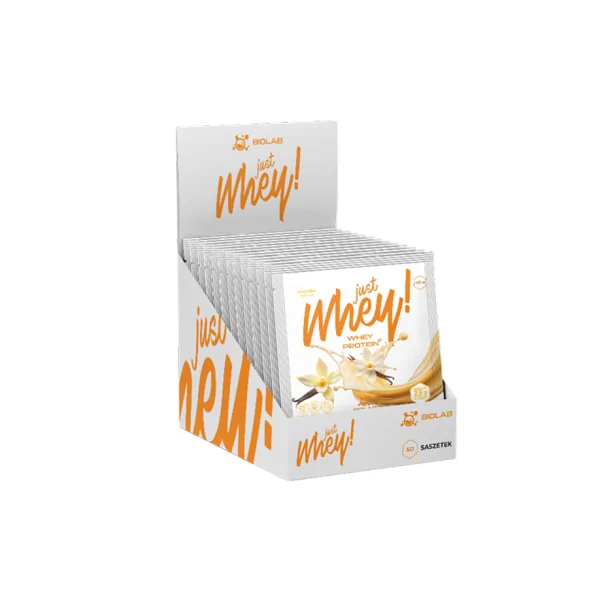
Portion-controlled servings help track intake while maintaining practical use throughout the week. We understand that many users need functional supplements that integrate smoothly into existing routines, without requiring complex preparation or additional equipment.
Our protein and whey powder solutions are formulated to deliver sufficient leucine, a key activator of muscle protein synthesis, without overloading the digestive system. Whether it's integrated into a recovery phase or a maintenance plan, the format remains functional and clear. Taste, mixability, and accurate dosing remain consistent across the line.
Options Supporting Mass and Caloric Needs
For individuals in strength-building or mass gain phases, product selection must align with increased caloric demand. That’s where our targeted formulations come into play. Protein powder for weight gain typically contains more calories per serving and is designed for regular intake alongside whole-food meals. Our offering supports users who need sustained energy input and a reliable source of amino acids.
Unlike improvised or non-standard blends, our approach avoids sugar-loading or filler ingredients that artificially increase caloric content. Instead, our blends rely on dense protein formulations with consistent macronutrient profiles. Users looking to add size and strength benefit from clean sources that won’t compromise digestion or unnecessarily spike blood sugar.
The protein powder for weight gain in our store is designed for people who need scalable, safe support for muscle development, energy recovery, or sport-specific protocols. For optimal use, it can be combined with measured carbohydrate intake and tailored to meal-spacing strategies.
Application and Product Transparency
Using protein powder strategically can support performance goals, assist with recovery, and help balance overall dietary intake. It's not a replacement for meals, but a reliable tool in structured nutrition. Our customers benefit from a selection of products with openly shared concentration levels, verified by external laboratories.
Is protein powder good for you when part of a planned regimen? Yes, when sourced correctly and used to meet real nutritional needs. Our range is designed for those who want to avoid marketing confusion and invest in functional, measurable outcomes. From regular gym users to professional competitors, users trust us for the accuracy and consistency of every product.
How many grams of protein per day?
The amount of protein you need depends on body weight, activity level, and training goals. For most adults, a basic intake starts at around 0.8 g per kilogram of body weight per day. This covers general health, but is often too low for physically active people. If you train regularly or follow a structured gym plan, intake usually falls between 1.4 and 2.0 g per kilogram. For example, a person weighing 75 kg will typically aim for 105–150 g of protein daily when focusing on performance or recovery. During more demanding phases such as strength training or calorie restriction, intake may move closer to the upper end of that range. Protein powder helps close the gap when meals don’t provide enough. One serving typically provides 20–30 g of protein, making it easier to reach your target without increasing meal size. It works well after training or between meals when timing matters. Daily intake should be spread across several portions rather than consumed in one sitting. This improves the body’s use of amino acids throughout the day. Whole foods remain the base, while protein powder fills specific gaps in a controlled way.
How much protein to build muscle?
To build muscle, protein intake needs to match both training load and recovery demands. Most research points to a range of 1.6 to 2.2 g per kilogram of body weight per day for muscle growth. Going below this range often limits progress, while going far above it does not provide additional benefit for most people. Timing also plays a role. After resistance training, the body is more responsive to amino acids, which is why a 20–40 g protein dose is commonly taken shortly after exercise. Whey protein powder is often chosen here because it is rapidly absorbed and provides a complete amino acid profile, including leucine, which stimulates muscle protein synthesis. Protein intake should be distributed evenly across the day. For example, instead of consuming most protein in one meal, dividing it into 3–5 servings helps maintain a steady supply for muscle repair and growth. Each portion should contain enough protein to stimulate synthesis, usually around 0.3–0.5 g per kilogram per meal. Protein powder is not required to build muscle, but it simplifies intake when food alone is not enough or when convenience matters after training.
Is protein powder good for you?
Protein powder is a useful addition to a balanced diet when you need to increase protein intake without adding large meals. It provides a controlled amount of protein per serving, which helps with recovery, muscle maintenance, and meeting daily nutritional targets. Whey protein, in particular, contains all essential amino acids and is well absorbed by the body. It is commonly used after training, but it can also be included during the day when meals are spaced out or when protein intake from food is too low. For most healthy individuals, protein powder is safe when used in appropriate amounts. The key is to choose products with clear compositions and avoid blends that rely on unnecessary fillers or hidden ingredients. Transparent labelling and verified protein content make it easier to track intake accurately. It should not replace whole foods but complement them. Meals still provide fibre, fats, vitamins, and minerals that protein powder does not fully cover. When used alongside a structured diet, it helps maintain consistency, especially during busy periods or intensive training phases.
Newsletter
Get a discount on your first order

Expert in supplementation and innovative health, fitness, and beauty solutions.
Offer
Offer Our company
Our company Contact
E-mail address
info@biolabshop.eu
WhatsApp
+44 739 8562 456ⓒ 2026 Biolabshop. All rights reserved. -
- Nootropics Nootropics
- Amino acids Amino acids