

-
- show all
-
Trending Now
- Amino acids Amino acids
-
- show all
-
Trending Now
- Nootropics Nootropics
-
- show all
-
Trending Now
Carbohydrates
Total: 33 productsPrice: -
12.00 € - 39.00 €
Active filters
Fuel training and recovery with precisely formulated carbohydrate powders. Try clean, functional sources of energy for endurance, strength, and performance.
Role of Carbohydrates in Physical Performance
Carbohydrates are a key energy source in both endurance and strength-based training, playing a critical role in athletic performance and overall fitness. When consumed, carbohydrates are broken down into glucose, which the body utilises as fuel during exercise. Their presence in the body not only influences how long and how hard you can train, but also how efficiently your body recovers afterwards.
During high-intensity workouts, such as sprinting, weightlifting, or long-distance running, your muscles rely heavily on glycogen stores – carbohydrates stored in the muscles and liver. An adequate supply of glycogen is essential for maintaining energy levels throughout your workout, enabling you to push your limits and achieve optimal performance. Without sufficient carbohydrate intake, you may experience fatigue more quickly and find it challenging to maintain intensity, ultimately impacting your training results.
For individuals focusing on performance and consistency, understanding complex carbohydrates is useful. These types of carbs are digested more slowly, contributing to longer-lasting energy and more stable blood sugar levels. They are commonly used by athletes aiming for sustained output over long sessions. When used correctly, they can also support better nutrient timing.
The quality of healthy carbohydrates in a supplement is also worth noting. Products that are low in unnecessary additives and fillers can help prevent digestive discomfort. It is important to focus on formulations that match the pace and demands of your training.
Understanding Carbohydrate Supplementation
Carbohydrate supplementation can be an efficient strategy in modern sports nutrition. Not every training scenario requires a high intake, but when energy expenditure increases, precise supplementation becomes beneficial. That’s where a carbohydrate powder can provide value: it offers measured intake in a concentrated form that’s easy to mix and absorb.
Formulas that act fast without causing gastrointestinal stress are particularly suitable for intra-workout consumption. These provide rapid glucose availability for the muscles. In some cases, combining them with electrolytes and amino acids enhances their effectiveness, which is why they are often found in training-specific blends.
When selecting a carbohydrate powder supplement, users should evaluate texture, solubility, and glycaemic response. Each factor contributes to user experience and performance outcomes.
Comparing Simple and Complex Carbohydrates
Simple carbohydrates are absorbed rapidly, leading to a quick increase in blood sugar and energy. They are often used immediately before or after training sessions to support fast glycogen replenishment. In contrast, complex carbohydrates are broken down more gradually and can help maintain energy throughout the day.
Strategic use of both types can offer advantages depending on training load and timing. For example, fast-acting formulas are often preferred by athletes who need immediate energy, while slower-digesting sources are used in preparation phases or during longer endurance efforts.
Benefits of Carbohydrates in Supplements
Carbohydrates in powdered form offer convenience, accuracy, and flexibility. With carbohydrate powder, users can fine-tune their intake around the type, duration, and intensity of physical activity. Compared to food sources, powders are easier to digest and quicker to prepare, making them ideal for use around workouts or during competition.
Many users find it useful to rotate different carbohydrate types based on their activity demands. For example, highly branched cyclic dextrin may be used during training, while rice-based options are chosen for pre-session meals. The purpose is always to provide effective energy without compromising digestion or performance.
Selecting the best carbohydrate powder requires considering several factors, including purity, composition, and athlete feedback. Products in this category are tailored for individuals who expect precision and performance. By integrating them into your training plan, fuelling becomes more consistent and measurable.
Who Can Benefit from Carbohydrate Powders
Supplementing with carbohydrate powder can benefit a wide range of active individuals. Athletes, strength trainers, endurance runners, and even those recovering from intense effort may find improved energy and shorter recovery windows through targeted carbohydrate use. It is not exclusive to elite users – consistency and dosing make the biggest difference.
Products in this category are suitable for:
- Those who train multiple times per day or week
- Individuals following strict macro-based plans
- Athletes requiring intra-session fuelling
- Anyone seeking a practical energy source with quick preparation
This category was created to offer carbohydrates in practical forms that have been proven through consistent use. Whether preparing for a demanding session or supporting post-workout recovery, the right product delivers measurable support. The carbohydrate powder products offered here are designed to integrate easily into your routine with clear, functional outcomes.
What are carbohydrates?
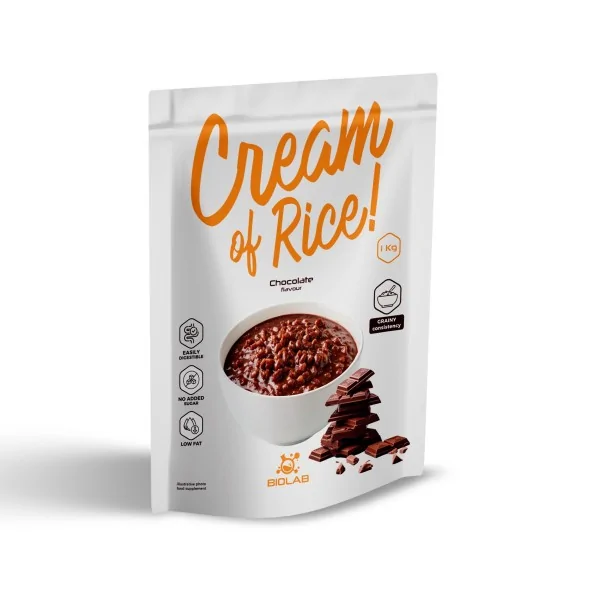
Carbohydrates are one of the main sources of energy used during physical activity. After ingestion, they are broken down into glucose, which is then stored in the muscles and liver as glycogen. This stored form is what your body relies on during training, especially when intensity increases. In the context of supplementation, carbohydrates usually come in the form of powders, bars, or easily digestible meals such as cream of rice. These formats allow you to control intake more precisely than standard food does. For example, intra-workout products like Phase Flow Intra Carbohydrates or Ultra Charge provide fast-absorbing carbohydrates for use during demanding sessions, while rice-based options are often chosen before training. Not all carbohydrates act the same way. Fast-digesting types raise blood glucose quickly and are used when immediate energy is needed. Slower-digesting sources release energy more gradually, which can be useful before longer sessions or when spacing meals further apart. Choosing the right type depends on timing, training style, and personal digestion. The goal is simple: provide energy in a form that matches the pace of your workout without causing discomfort.
Why use carbohydrates for workouts?
Carbohydrates help maintain training intensity and delay fatigue. When glycogen stores are sufficient, you can sustain effort for longer and recover faster between sets or intervals. Without enough carbohydrates, performance often drops, especially in strength training, high-volume sessions, or endurance work. During workouts, the body prioritises carbohydrates over other fuel sources because they can be used quickly. This is why products such as carbohydrate powders or energy drinks are commonly used during training. They deliver glucose directly when your body needs it most, which can be noticeable in longer or more demanding sessions. Post-workout intake also matters. After training, glycogen stores are partially depleted. Reintroducing carbohydrates helps replenish them, which becomes important if you train frequently or more than once per day. In this phase, fast-digesting options are often preferred because they accelerate recovery. Carbohydrates also work well alongside other nutrients. When combined with amino acids or electrolytes, they create a more complete intra- or post-workout formula. This is why many products in this category include blended compositions rather than a single ingredient.
When should I take carbohydrates?
The timing of carbohydrate intake depends on your training schedule and session intensity. Before training, carbohydrates are typically used to replenish energy levels. Meals like cream of rice are often chosen 60–120 minutes before a workout because they are easy to digest and provide a steady release of energy. During training, fast-absorbing carbohydrates are useful for long or physically demanding sessions. Intra-workout formulas can help maintain output, especially in endurance training or high-volume weight sessions. Liquid forms are preferred here because they are easier to consume and won’t slow you down. After training, carbohydrates are used to restore glycogen levels. This is particularly relevant if you train again on the same day or follow a structured training plan. Quick-digesting sources are commonly used in this window to speed up recovery. On rest days or during low-intensity training, carbohydrate intake is usually lower and comes more from regular meals than supplements. The key is to match intake with actual energy demand rather than following a fixed pattern every day.
Newsletter
Get a discount on your first order

Expert in supplementation and innovative health, fitness, and beauty solutions.
Offer
Offer Our company
Our company Contact
E-mail address
info@biolabshop.eu
WhatsApp
+44 739 8562 456ⓒ 2026 Biolabshop. All rights reserved. -
- Nootropics Nootropics
- Amino acids Amino acids